
As the "light-speed engine" for the 5G and AI era, 400G Dense Wavelength Division Multiplexing (DWDM) technology provides high-bandwidth, low-latency, and highly reliable optical transmission solutions to address the global data traffic surge. This is achieved through its three major technical advantages: speed evolution, spectrum expansion, and transmission distance breakthroughs.
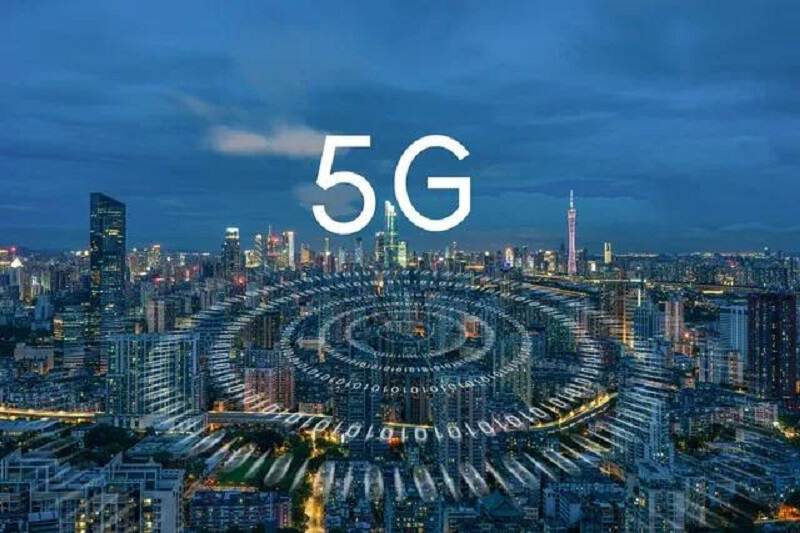
5G Networks: End-to-End Network Upgrade from Access to Core
In 5G fronthaul, midhaul, and backhaul networks, 400G DWDM technology optimizes network architecture in the following ways:
Fronthaul Networks: Utilizes Open-WDM technology to multiplex signals from multiple 5G base stations onto different wavelengths, reducing fiber resource consumption.
Midhaul/Backhaul Networks: Implements FlexE interfaces to enable flexible bandwidth adjustment, supporting the differentiated bandwidth requirements of 5G network slicing.
Core Network: Employs Optical Cross-Connect (OXC) technology to achieve millisecond-level service provisioning and flexible wavelength-level scheduling, meeting the low-latency demands of 5G.
AI Computing: The "Light-Speed Channel" for Data Center Interconnect
In AI training scenarios, 400G DWDM technology enhances computational efficiency through the following methods:
Cluster Interconnect: Adopts 800G/400G hybrid networking schemes to interconnect multiple AI computing nodes at the optical layer, reducing data exchange latency.
Storage Networks: Leverages direct optical layer connectivity to enable high-speed data interaction between storage devices and compute nodes, accelerating AI model training speeds.
Cross-Datacenter Synchronization: Uses coherent optical module technology to achieve data synchronization across geographically distributed data centers, supporting distributed AI training.
Backbone Networks: The "Light-Speed Artery" for Global Data Interconnect
At the backbone network level, 400G DWDM technology optimizes network performance through these approaches:
Spectrum Expansion: Implements C+L band expansion schemes, increasing single-fiber capacity from 96T to 192T to meet growing global data traffic demands.
Intelligent Scheduling: Utilizes Software-Defined Networking (SDN) technology to enable dynamic allocation of optical layer resources, supporting on-demand service activation and flexible bandwidth adjustment.
Secure Transmission: Applies quantum encryption technology to ensure the security of high-speed data transmission, fulfilling the requirements of sensitive sectors such as finance and government.
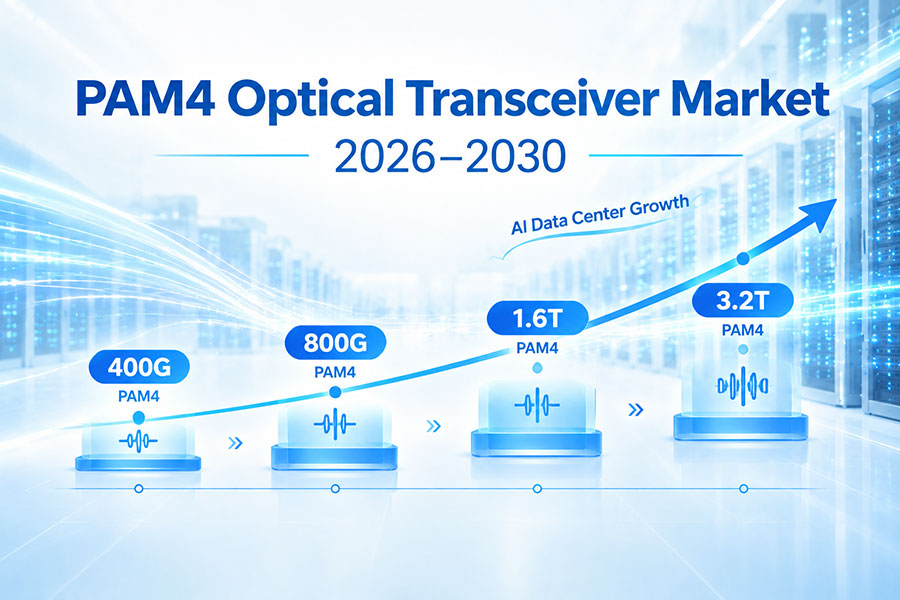
With ongoing technological advancements, 400G DWDM will progressively evolve towards 800G and 1.6T, injecting more powerful momentum into the flourishing digital economy. In the wave of 5G and AI, this light-speed engine is destined to become a core force driving societal progress.
For any questions, please contact us by email or WhatsApp.
Email: sales@c-light.com
WhatsApp: +86 132 6656 7067