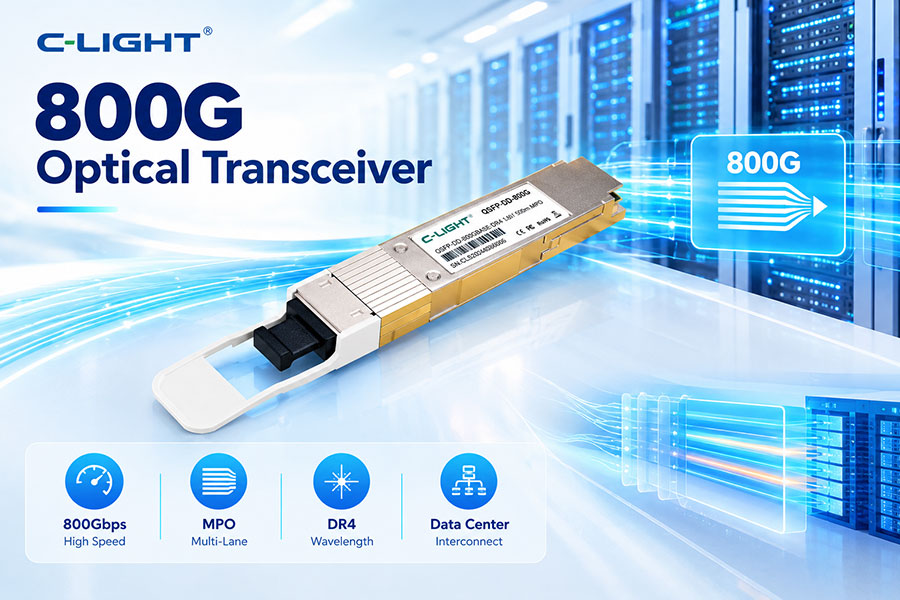
800G optical transceiver is a high-speed optical module designed to provide up to 800Gbps data transmission between switches, servers, GPUs, and other network equipment. It converts high-speed electrical signals into optical signals for transmission over fiber and converts received optical signals back into electrical signals.
An 800G optical transceiver is a pluggable optical module with an aggregate data rate of 800Gbps. It is designed for high-bandwidth networks such as AI data centers, cloud computing infrastructure, high-performance computing (HPC), and large-scale Ethernet networks.
AI clusters and modern data centers generate increasing amounts of east-west traffic between GPUs, servers, switches, and storage systems. 800G provides higher bandwidth per port, helping network operators increase capacity without simply doubling the number of physical ports.
The basic operating process is electrical-to-optical conversion on the transmit side and optical-to-electrical conversion on the receive side.
Transmit: Host ASIC → Electrical Lanes → DSP/Driver → Optical Engine → Fiber
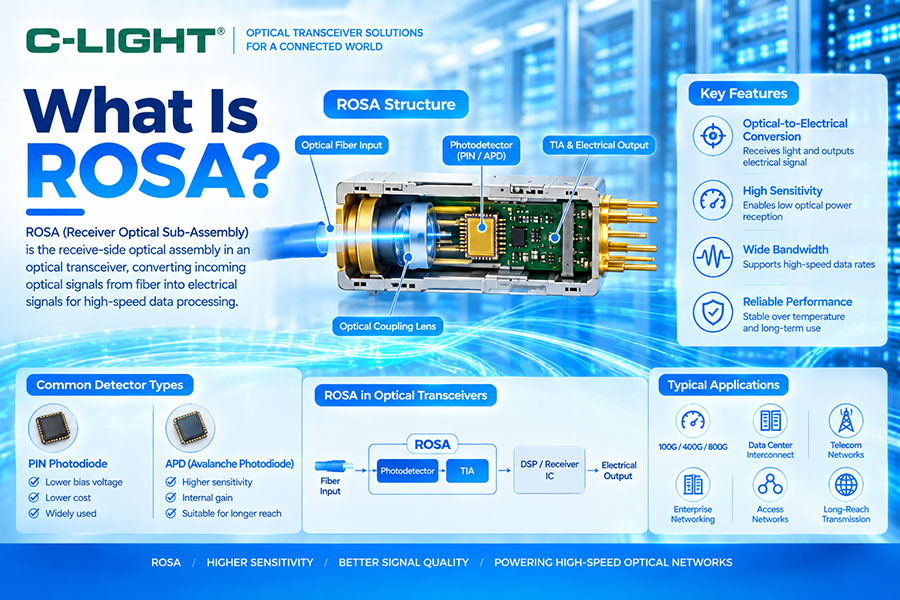
Receive: Fiber → Photodetector/TIA → DSP/Receiver → Electrical Lanes → Host ASIC
Many 800G implementations use eight 100G-class lanes to achieve an aggregate 800Gbps rate. The exact lane architecture depends on the optical module, host interface, modulation technology, and application.
PAM4, or Pulse Amplitude Modulation 4, uses four signal levels to transmit two bits per symbol. It enables higher data rates without requiring the same increase in signaling frequency as a two-level NRZ system.
800G Ethernet optical modules commonly use 100G-class PAM4 lanes. A typical implementation uses eight optical or electrical lanes, although specific module architectures can vary.
In conventional 800G optical transceivers, the DSP performs important signal-processing functions such as equalization, signal recovery, and compensation for channel impairments. DSP architecture has a major influence on module power consumption and thermal requirements.
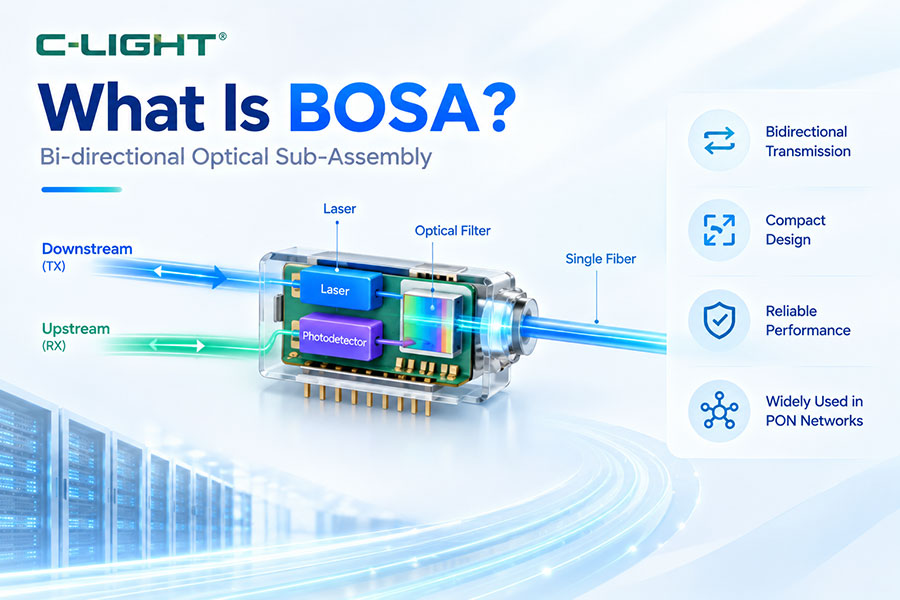
The optical engine contains the optical and optoelectronic components responsible for transmitting and receiving high-speed signals. Depending on the design, it can include lasers, modulators, photodetectors, drivers, and transimpedance amplifiers.
On the transmit side, the host switch or ASIC sends electrical data to the module. The electrical signal is processed and driven into the optical engine, where the electrical information is converted into modulated optical signals.
On the receive side, optical signals from the fiber reach the photodetector. The photodetector converts the optical signal into an electrical signal, which is then amplified, processed, and delivered to the host system.
Laser technology depends on the reach and optical architecture. VCSELs are commonly associated with short-reach multimode applications, while EML and other laser technologies can be used for longer single-mode fiber links.
800G SR8 is designed for short-reach connectivity, typically using multimode fiber and multiple parallel optical lanes. It is suitable for short-distance connections inside data centers and AI clusters.
800G DR8 uses single-mode fiber and parallel 100G-class optical lanes. It is intended for longer reach than SR8 and is commonly associated with high-density switch-to-switch and AI network interconnects.
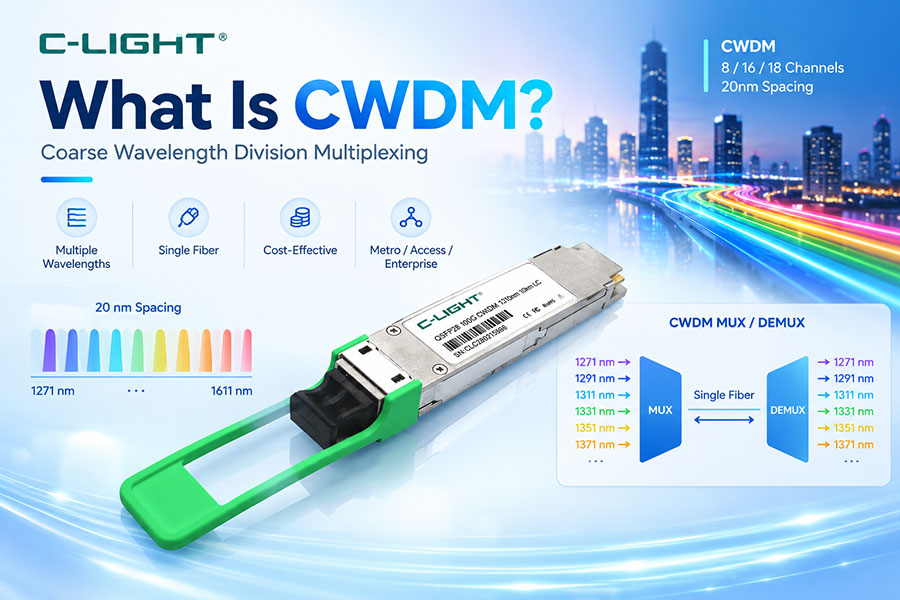
800G 2×FR4 combines two 400G optical groups and uses wavelength-division multiplexing to transmit multiple optical channels over duplex single-mode fiber. It can provide a practical solution for higher-density 800G links.
800G optical transceivers can use different wavelength ranges depending on the module type. Short-reach modules commonly use 850nm-class optics, while single-mode solutions can use 1310nm-class or other wavelength architectures.
Multimode fiber is generally used for shorter optical links. 800G SR8 is an example of an 800G architecture designed around short-reach multimode connectivity.
Single-mode fiber supports longer transmission distances and is used by architectures such as DR8 and FR4-based solutions. It is important for scalable data center fabrics where links extend beyond short rack-level distances.
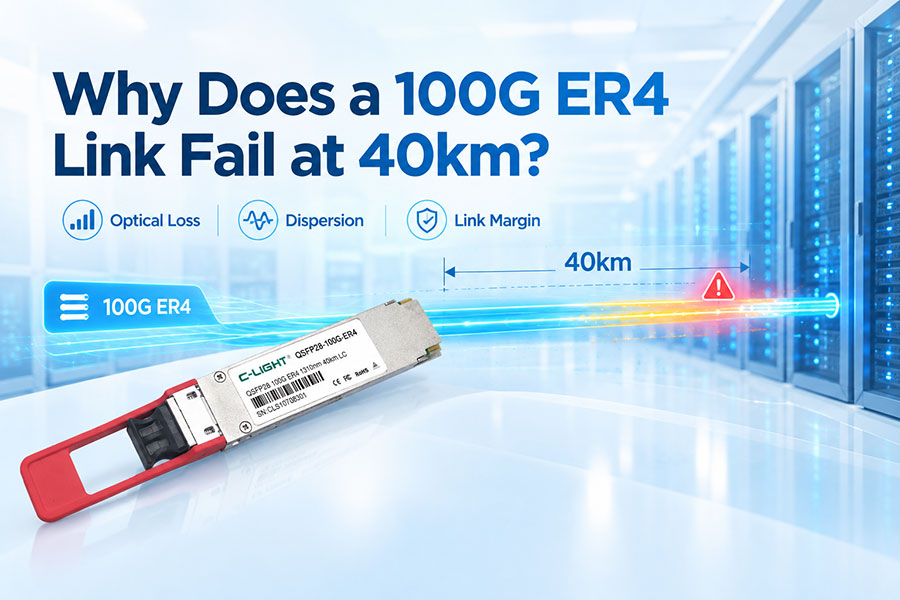
Transmission distance depends on the optical architecture, fiber type, wavelength, connector losses, transmitter performance, receiver sensitivity, and link budget. An 800G module does not have one universal transmission distance.
The optical link budget represents the available power between the transmitter and receiver. Fiber attenuation, connector loss, splice loss, and passive component loss must remain within the available optical margin.
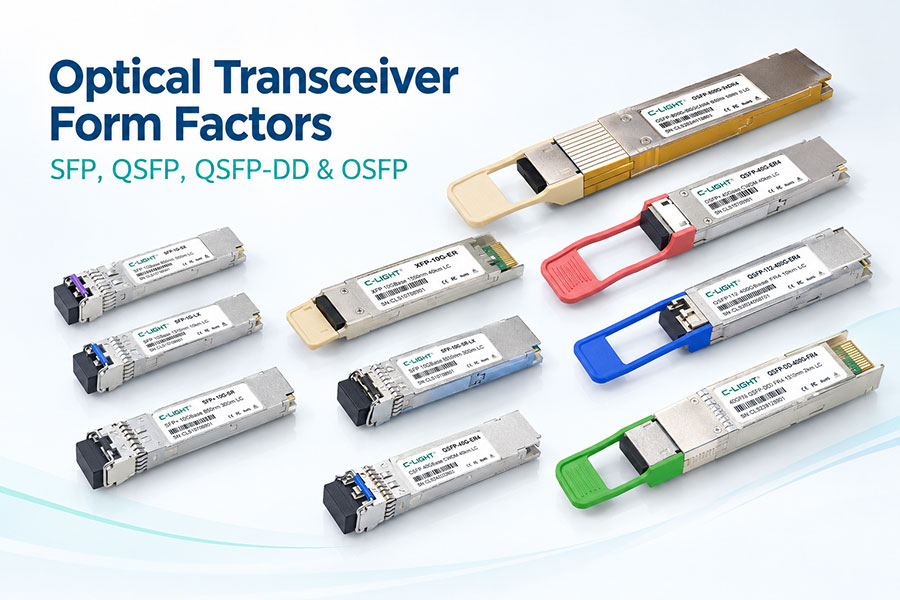
OSFP and QSFP-DD/QSFP112-based designs are used in high-speed optical networking. The specific form factor depends on switch architecture, port density, thermal design, electrical interface, and module requirements.
OSFP provides a high-density pluggable form factor widely used for 800G networking. Its larger thermal envelope can support high-speed optical modules with substantial power and heat dissipation requirements.
QSFP-DD-based 800G designs focus on high port density and compatibility with compact switch interfaces. QSFP112 and related architectures can also be used depending on the host platform and lane configuration.
Power consumption depends on the DSP, laser, driver, TIA, FEC, thermal design, optical reach, and overall module architecture. Higher-speed signal processing and longer-reach optical designs can require more power.
High-power 800G modules generate significant heat inside dense switch systems. Heatsinks, airflow, thermal interface materials, module placement, and system-level cooling must be considered together.
Linear-drive pluggable optics (LPO) reduces or bypasses traditional DSP/CDR processing inside the optical module and relies more heavily on the host ASIC and SerDes. This architecture can reduce module power and latency but requires tighter electrical channel and interoperability control.
Conventional retimed 800G optics generally perform significant signal processing inside the module. LPO moves more of the signal-conditioning responsibility toward the host system. The choice depends on power, latency, signal integrity, reach, and interoperability requirements.
Linear Receive Optics (LRO) and related reduced-processing architectures occupy a position between conventional retimed optics and fully linear approaches. Their exact implementation depends on how much signal processing remains inside the optical module.
Forward Error Correction (FEC) is an important part of high-speed Ethernet systems. FEC can improve error tolerance and link performance, while the exact FEC implementation depends on the host platform and networking standard.
Bit Error Rate (BER) is a key measurement for evaluating an 800G optical link. Pre-FEC and post-FEC BER measurements can help determine whether errors originate from the optical path, electrical channel, signal processing, or other parts of the system.
Compatibility involves more than physical connector matching. The module must match the host port's data rate, electrical lane configuration, optical specification, firmware, management interface, coding, and operating requirements.
Optical modules contain management information used by network equipment to identify module type, supported rates, optical characteristics, vendor information, and operating parameters. Vendor coding and host compatibility can affect whether an 800G module is recognized and operates correctly.
Modern high-speed pluggable modules commonly use CMIS-based management. Management functions can provide access to module identification, diagnostics, temperature, voltage, optical power, laser bias, and alarms.
Digital diagnostics can help monitor module operating conditions. Parameters such as temperature, supply voltage, transmit optical power, receive optical power, and laser bias provide useful information during deployment and troubleshooting.
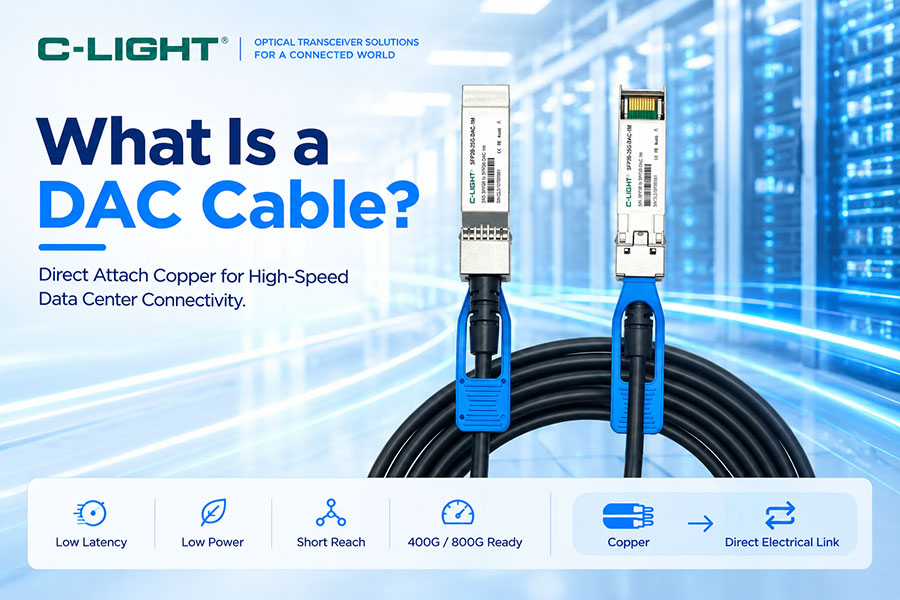
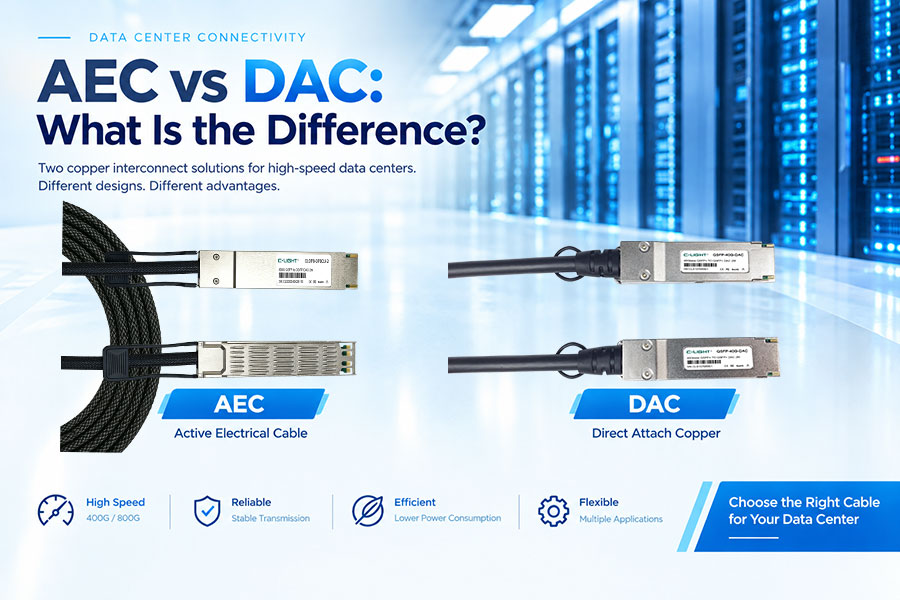
800G connectivity can use DAC, AOC, or optical transceivers depending on the distance and network architecture. DAC is generally used for very short connections, AOC extends short-reach connectivity, while optical transceivers provide greater flexibility for fiber-based links.
800G DAC cables provide direct electrical connectivity between compatible high-speed ports. They can be attractive for short GPU-to-switch and switch-to-switch connections where low latency, low power, and cost efficiency are important.
800G AOC cables integrate optical conversion into the cable assembly. They can support longer short-reach connections than passive copper while simplifying deployment compared with separate transceivers and fiber assemblies.
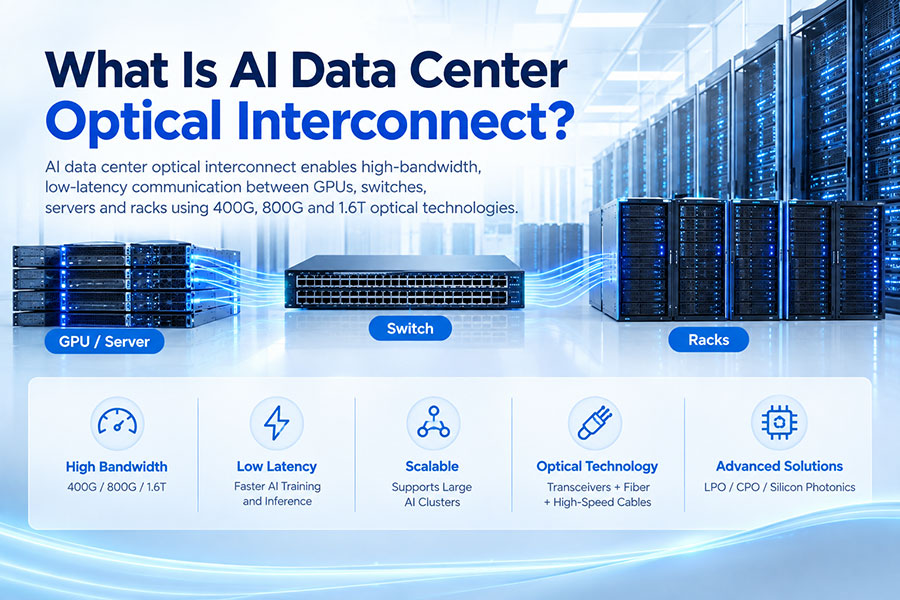
AI data centers require high-bandwidth connections between GPU servers, NICs, leaf switches, spine switches, and storage systems. 800G provides a high-capacity interconnect option for scaling these networks.
GPU clusters generate large volumes of synchronized traffic. 800G optical links can connect GPU servers and network switches where bandwidth and port density are important design requirements.
In a leaf-spine architecture, 800G links can connect leaf switches to spine switches and help build high-capacity network fabrics. The required optical reach depends on rack layout, fiber infrastructure, and data center topology.
Switch-to-switch connections are one of the major applications for 800G optics. Optical modules can provide high-bandwidth links between network layers while supporting longer distances than copper-based interconnects.
High-performance computing systems require high-throughput communication between compute nodes, switches, and storage. 800G optical connectivity can support high-capacity network fabrics where bandwidth and latency are critical.
800GbE is designed to provide an aggregate Ethernet rate of 800Gbps. Optical transceivers provide the physical-layer interface between high-speed Ethernet equipment and optical fiber.
800G-class optical connectivity can also be relevant to high-performance interconnect environments using InfiniBand. The exact module and cable requirements depend on the networking architecture and supported platform.
800G doubles the aggregate bandwidth of a 400G interface. This can increase bandwidth per port and reduce the number of ports required for a given network capacity, although 800G modules generally introduce higher power, thermal, and signal-integrity requirements.
1.6T represents the next step beyond 800G and can use eight 200G-class lanes in many implementations. 800G remains an important high-speed interface while 1.6T architectures address the continued growth of AI and data center traffic.
Selection should consider the host switch, form factor, optical reach, fiber type, connector, wavelength, lane architecture, power consumption, temperature, FEC requirements, management interface, and interoperability.
Confirm host port compatibility.
Verify the required 800G optical standard.
Match fiber type and transmission distance.
Check connector and polarity requirements.
Verify optical power and link budget.
Confirm module coding and management compatibility.
Check power and thermal limits.
Validate BER and FEC performance.
Test interoperability with the target platform.
Common problems include module recognition failures, incompatible coding, incorrect fiber polarity, dirty connectors, insufficient optical power, excessive attenuation, incorrect FEC settings, signal-integrity issues, overheating, and remote-end configuration problems.
A structured troubleshooting process should begin with module recognition and compatibility, followed by fiber inspection, polarity verification, optical power measurements, host configuration, FEC status, temperature, BER counters, and remote-end diagnostics.
An 800G optical transceiver provides high-capacity optical connectivity for modern data center, AI, cloud, Ethernet, and HPC networks. Its operation combines high-speed electrical signaling, PAM4 modulation, optical conversion, fiber transmission, signal processing, error correction, and digital management. Different architectures such as SR8, DR8, and 2×FR4 address different reach and fiber requirements, while OSFP and QSFP-based designs provide different host interface options. As AI networks move toward higher port speeds, 800G serves as an important transition between 400G and emerging 1.6T optical connectivity.
For any questions, please contact us by email or WhatsApp.
Email: sales@c-light.com
WhatsApp: +86 132 6656 7067